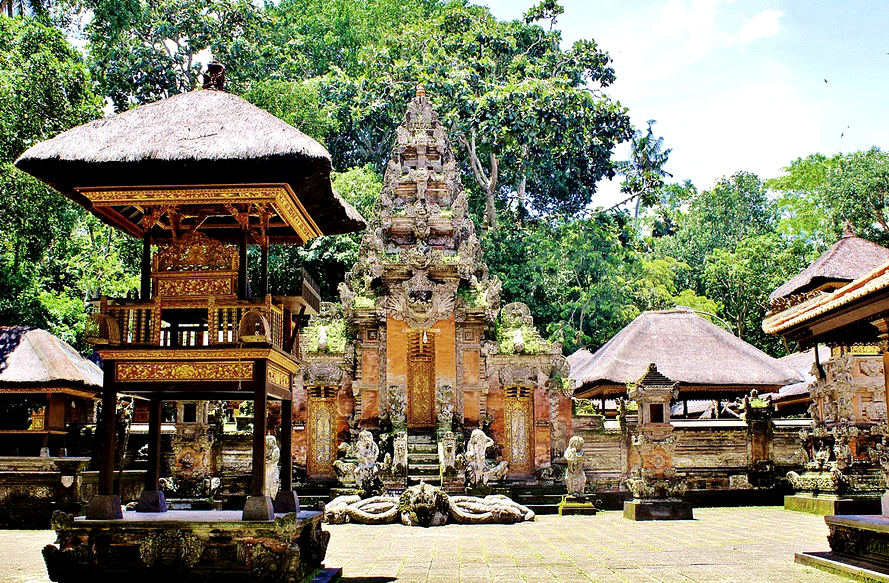
Temples in Ubud Bali with Traditional Balinese Architecture – Ubud, nestled in the heart of Bali, is home to some of the island’s most stunning temples, where traditional Balinese architecture takes center stage. If you’re planning a trip to Bali, visiting these temples in Ubud should definitely be at the top of your list. With intricate carvings, peaceful surroundings, and the hum of spirituality in the air, Ubud’s temples offer a glimpse into the rich cultural heritage of Bali. These architectural masterpieces aren’t just places of worship—they’re living, breathing symbols of the island’s history and beliefs.
Traditional Balinese Architecture: An Overview
Before diving into the specific temples of Ubud, it’s essential to understand the unique architectural style that makes Balinese temples so extraordinary. Traditional Balinese architecture is deeply intertwined with the island’s spiritual beliefs, using design elements that aim to reflect harmony with nature and the divine. The structures are crafted from natural materials such as stone, wood, and bamboo, and often incorporate intricate carvings and sculptures that depict deities, mythological creatures, and scenes from Hindu epics.
Balinese temples, or “Pura,” are not only a feast for the eyes—they are also an essential part of the island’s religious practices. These sacred spaces are built to align with the elements—earth, water, and sky—and to promote spiritual balance. Whether nestled in the jungle or perched on the edge of a rice terrace, the design of each temple reflects Bali’s commitment to creating spaces that connect the physical and spiritual worlds.
Temples in Ubud: The Best Examples of Balinese Architecture
Ubud is a town brimming with cultural and spiritual significance, making it the perfect place to explore some of Bali’s most iconic temples. Among the many temples in Ubud, three stand out for their breathtaking architecture and deep cultural ties: Pura Taman Saraswati, Pura Gunung Lebah, and Pura Dalem Agung Padangtegal.
Pura Taman Saraswati: A Peaceful Oasis in the Heart of Ubud
Pura Taman Saraswati, located just a short walk from Ubud’s bustling main street, is a tranquil haven dedicated to the goddess of knowledge and arts, Saraswati. The temple’s architectural beauty lies in its serene water gardens and its stunning stone carvings, which tell stories of Balinese myths. As you walk through the temple gates, you’ll immediately notice the intricate lotus pond, which serves as a peaceful backdrop to the temple’s delicate stone structures.
The temple’s design exemplifies the elegance of traditional Balinese architecture. Every stone seems to have been carved with purpose, from the detailed reliefs of Hindu gods and goddesses to the intricately designed gateways that guard the temple. The atmosphere here is calm and reflective, offering visitors a moment of peace away from the busyness of Ubud’s streets.
Pura Gunung Lebah: A Hidden Gem in the Valley of Ubud
Tucked away in the lush Campuhan Valley, Pura Gunung Lebah is a hidden gem, often overlooked by tourists. The temple’s setting in the heart of nature makes it one of Ubud’s most spiritual and awe-inspiring locations. This temple, dedicated to the gods of the mountains, is designed in a typical Balinese style, with towering gateways (known as “Candi Bentar”), intricate carvings, and statues representing spiritual deities.
What sets Pura Gunung Lebah apart is its serene location. The temple is situated on the edge of a river, with sweeping views of the surrounding jungle and rice paddies. It’s a peaceful spot for meditation, reflection, or simply taking in the beauty of Ubud’s natural landscape. As you explore the temple grounds, you’ll notice the harmonious balance of stone, water, and lush greenery—a perfect example of Balinese architecture’s connection to the natural world.
Pura Dalem Agung Padangtegal: A Cultural and Spiritual Landmark
Pura Dalem Agung Padangtegal is perhaps one of the most famous temples in Ubud, located within the iconic Sacred Monkey Forest Sanctuary. This temple is dedicated to the god of death, and its architecture reflects a deep connection to both the spirit world and the natural environment. The temple complex is rich in Balinese carvings, and visitors can wander through the tranquil grounds, passing through stone archways and gazing at towering statues of gods and deities.
The temple’s architecture is characterized by the use of large stone structures and an abundance of carvings, which seem to come alive when viewed against the backdrop of the surrounding jungle. Monkeys, often seen around the temple, add to the temple’s lively atmosphere, but it is the intricate design and the sense of reverence here that will leave a lasting impression on any visitor.
What Makes Balinese Temples Stand Out?
So, what makes Balinese temples so special? The answer lies in their design, which is rooted in centuries of cultural practices and spiritual beliefs. Here are some key features that make these temples stand out:
Symmetry and Balance
Balinese temples are known for their symmetrical designs. This symmetry represents balance, both in the architecture itself and in the spiritual significance it holds. Every temple is constructed in alignment with the five elements—earth, water, fire, air, and spirit—creating a harmonious space that reflects the natural world.
Intricate Carvings and Statues
As you wander through the temples, you’ll notice the stunning stone carvings that adorn the walls, gates, and statues. These intricate carvings are often symbolic, telling stories from Hindu mythology or representing divine beings. They are a crucial part of the temple’s beauty and offer a glimpse into Bali’s artistic traditions.
Water and Gardens
Water plays an important role in Balinese temple design. Many temples are built around ponds, fountains, or streams, as water is considered a purifying element in Hinduism. The temples in Ubud often incorporate lush gardens that create a sense of peace and tranquility, blending the man-made structures with the natural environment.
Visiting Temples in Ubud: What to Expect
When visiting temples in Ubud, it’s important to remember that these are sacred places of worship. Respect for the local culture and customs is key. Here are a few tips to help you make the most of your temple visits:
Dress Modestly
In Bali, temple etiquette requires that you dress modestly. Both men and women are asked to cover their shoulders and knees before entering a temple. It’s common to wear a sarong or sash, which can usually be rented at the temple entrance.
Be Respectful
When you’re inside the temple, be respectful of the local customs. Avoid making loud noises, taking flash photos, or sitting on the temple steps. Always ask for permission before taking photos, especially of the temple’s spiritual ceremonies or local worshippers.
Bring Offerings
If you’re visiting during a religious ceremony or just want to contribute to the temple’s spiritual energy, you can bring a small offering. Offerings often consist of flowers, fruit, and incense, and can be purchased at the temple or nearby market stalls.
Practical Tips for Exploring Ubud’s Temples
If you’re planning to visit the temples in Ubud, here are some practical tips to help you make the most of your experience:
- Best Time to Visit: Early morning or late afternoon are the best times to visit. The temples are less crowded, and the light during these times is perfect for photographs.
- Transportation: Ubud is easily accessible by foot, especially from the town center. However, if you’re venturing to temples that are farther out, you may want to hire a scooter or a local driver.
- Temple Etiquette: Be mindful of ceremonies and avoid disturbing worshippers. Some temples may require an entrance fee, which helps with preservation efforts.
Why Ubud’s Temples Should Be Part of Your Bali Experience
Ubud is a place where Bali’s culture, spirituality, and natural beauty come together in perfect harmony. Exploring the temples of Ubud is not only an opportunity to witness stunning examples of traditional Balinese architecture but also a chance to connect with the island’s spiritual heart. Whether you’re visiting Pura Taman Saraswati’s lotus ponds, exploring the serene grounds of Pura Gunung Lebah, or absorbing the spiritual energy of Pura Dalem Agung Padangtegal, these temples offer an unforgettable experience.
The Preservation of Ubud’s Temple Architecture
The temples in Ubud are not just tourist attractions; they are living monuments to Bali’s rich cultural heritage. The preservation of these sacred spaces is essential not only for the spiritual well-being of the local community but also for the cultural and artistic legacy of the island. The intricate carvings, stone structures, and lush temple gardens are not easily maintained, and constant efforts are made to restore and protect these temples.
Many of Ubud’s temples, including Pura Taman Saraswati and Pura Dalem Agung Padangtegal, have been carefully preserved over the years. The local communities work together with conservationists and cultural experts to ensure that the temples retain their original beauty and significance. These efforts often include regular cleaning, the upkeep of stone carvings, and the protection of temple grounds from the effects of tourism.
Visiting these temples not only supports the preservation of Bali’s sacred architecture but also allows visitors to appreciate the centuries-old craftsmanship that still exists today. Whether it’s the finely detailed stonework or the carefully designed garden spaces, each temple in Ubud tells a story of dedication to preserving Balinese traditions.
Balinese Craftsmanship and the Temples of Ubud
One of the most remarkable aspects of the temples in Ubud is the craftsmanship involved in their construction. Balinese artisans have long been known for their exceptional skills in carving, sculpture, and stonework. This craftsmanship is visible everywhere in the temples of Ubud—from the elaborate stone gateways to the detailed reliefs that decorate temple walls.
When you visit these temples, take a moment to admire the artistry of the stone carvings. You’ll notice scenes from Hindu mythology and depictions of gods and goddesses—each carved with precision and care. The intricate reliefs are not just decorative; they hold deep spiritual meaning, telling stories that convey moral lessons, mythological tales, and the divine connection between the people of Bali and the gods.
It’s also worth noting the craftsmanship of the temple gates and entryways. In traditional Balinese architecture, these gateways serve as spiritual thresholds, marking the transition from the mundane world to the sacred space of the temple. The detail in these structures is often extraordinary, with ornate carvings of mythical creatures and symbolic figures that represent the protection of the temple.
The Role of Temples in Ubud’s Cultural Life
Ubud’s temples play a central role in the daily lives of the local Balinese community. They are not only places for religious ceremonies but also community hubs where important cultural events take place. Festivals, processions, and celebrations are common in Ubud, with the temples serving as focal points for these activities.
One of the most notable cultural events is the Galungan festival, a celebration of the victory of good over evil, which occurs every 210 days. During this time, the temples in Ubud are beautifully decorated with offerings and ceremonial paraphernalia. The entire community comes together to honor the gods and celebrate Balinese culture, with vibrant processions and traditional dances filling the temple grounds.
For visitors, experiencing these festivals firsthand can provide a deeper understanding of the spiritual significance of the temples and how deeply woven they are into the fabric of daily life in Bali. The ceremonies themselves—complete with music, dance, and offerings—are a powerful reminder of the ongoing connection between the people of Bali and their spiritual practices.
The Spiritual Journey: How Ubud’s Temples Encourage Reflection
As you explore the temples of Ubud, you’ll quickly notice the sense of calm and spirituality that envelops the environment. The beauty of the architecture, combined with the quiet presence of nature, makes these temples ideal places for reflection and meditation. The design of Balinese temples encourages a peaceful atmosphere, with lush gardens, tranquil water features, and sacred statues creating an environment that fosters mindfulness.
Each temple in Ubud offers a unique opportunity for introspection. Pura Gunung Lebah, for example, with its peaceful riverside location, is an excellent spot to meditate and connect with nature. Similarly, Pura Taman Saraswati, with its lotus pond and intricate carvings, invites visitors to slow down and appreciate the artistry of both the natural and the divine.
Even if you’re not seeking a religious experience, the sense of peace and spirituality that these temples offer is palpable. The atmosphere is perfect for those who want to step away from the busy pace of daily life and reconnect with themselves. The tranquil environment and spiritual energy make these temples an excellent place to clear your mind, reflect on your journey, and connect with the deeper meaning of Bali’s cultural heritage.
Connecting with Local Culture Through Temple Visits
Visiting the temples in Ubud provides an invaluable opportunity to connect with the local Balinese culture. The temples are a window into the island’s history, religious practices, and artistic traditions. By visiting these sacred spaces, you’re not only observing the physical beauty of the structures but also participating in the cultural exchange between Bali’s past and present.
Take time to chat with local worshippers and temple guides. Many of them are eager to share the stories and significance of the temples. Local guides can explain the symbolism behind the intricate carvings, the role of the temples in Balinese life, and the religious practices that take place within these sacred walls. These personal interactions allow you to gain a deeper understanding of the culture and enhance your experience.
Additionally, some temples in Ubud offer cultural workshops or classes that can help you engage even more deeply with Balinese traditions. Whether it’s learning about Balinese dance, cooking, or temple ceremonies, these hands-on experiences give you a chance to immerse yourself in the local way of life.
Why Ubud’s Temples Are a Must-See for Every Traveler
For anyone visiting Bali, Ubud’s temples are an essential stop. The town is a treasure trove of cultural, spiritual, and architectural gems, with each temple offering something unique. Whether you’re drawn to the spiritual calm of Pura Gunung Lebah, the artistic beauty of Pura Taman Saraswati, or the lively atmosphere of Pura Dalem Agung Padangtegal, these temples in Ubud embody the essence of Bali.
Beyond their breathtaking architecture and tranquil surroundings, the temples in Ubud offer an opportunity to witness the harmony between nature, spirituality, and community that defines Balinese culture. Visiting these sacred spaces will leave you with a deeper appreciation for the island’s history and its commitment to preserving traditions that have been passed down for generations.
In the end, Ubud’s temples are more than just architectural wonders—they are living, breathing symbols of Bali’s rich cultural and spiritual heritage. By exploring them, you’re not only discovering Bali’s past but also connecting with its present and future, ensuring that these traditions continue to thrive for generations to come.
 Bali Driver